Solid vs. flashing: there's a big difference
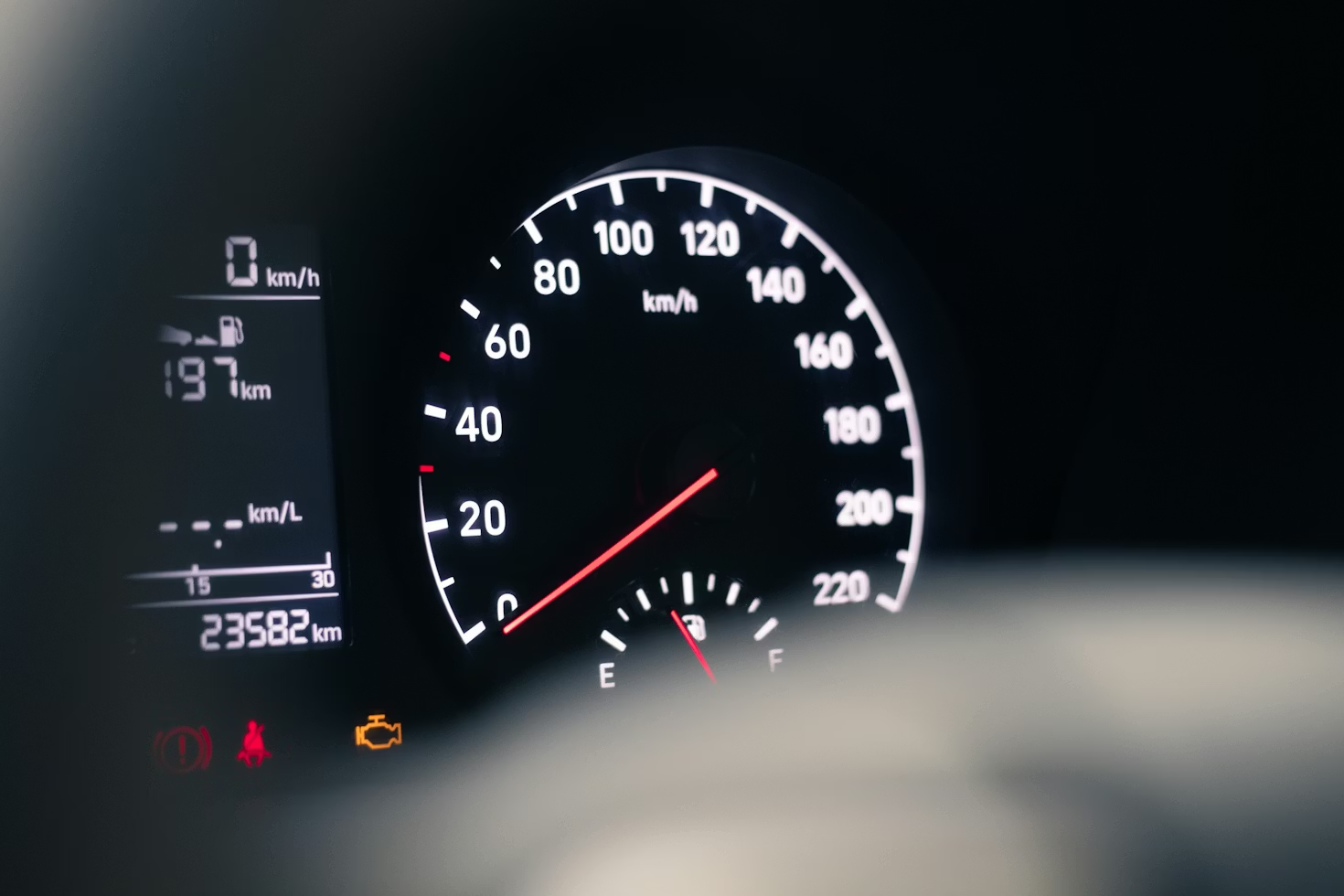
A solid (steady) check engine light means the car's computer detected something out of spec, but it's not actively damaging the engine right now. It's a 'come see a shop in the next week or two' situation.
A flashing check engine light is different. Flashing means the engine is actively misfiring badly enough to potentially destroy your catalytic converter. Catalytic converters are expensive, sometimes $1,500 to $3,000, and a sustained misfire can cook one in minutes.
What can trigger it
There are over 1,400 possible OBD-II codes. The most common triggers we see at the shop, in roughly order of frequency:
- Loose, cracked, or missing gas cap (yes, really)
- Failing oxygen sensors
- Mass airflow sensor problems
- Failing catalytic converter
- Spark plug or ignition coil issues
- EVAP system leaks (often a small vacuum leak)
- Thermostat or engine temperature sensor
Some of these are $20 fixes. Some are $2,000 fixes. The code itself only narrows the possibilities. Real diagnosis distinguishes between them.
Why a free code-read at a parts store is not a diagnosis
A parts-store reader gives you a code. It does not tell you what is actually wrong, and it definitely does not tell you which of several possible causes is yours.
Take a P0420 code, for example. P0420 means 'catalytic converter efficiency below threshold.' That code can be caused by:
- An actual failing catalytic converter ($1,500+ repair)
- A failing upstream or downstream O2 sensor ($150-$400 repair)
- An exhaust leak before the cat ($100-$300 repair)
- A fuel-mixture problem causing the cat to read inefficient ($50-$500 to address upstream cause)
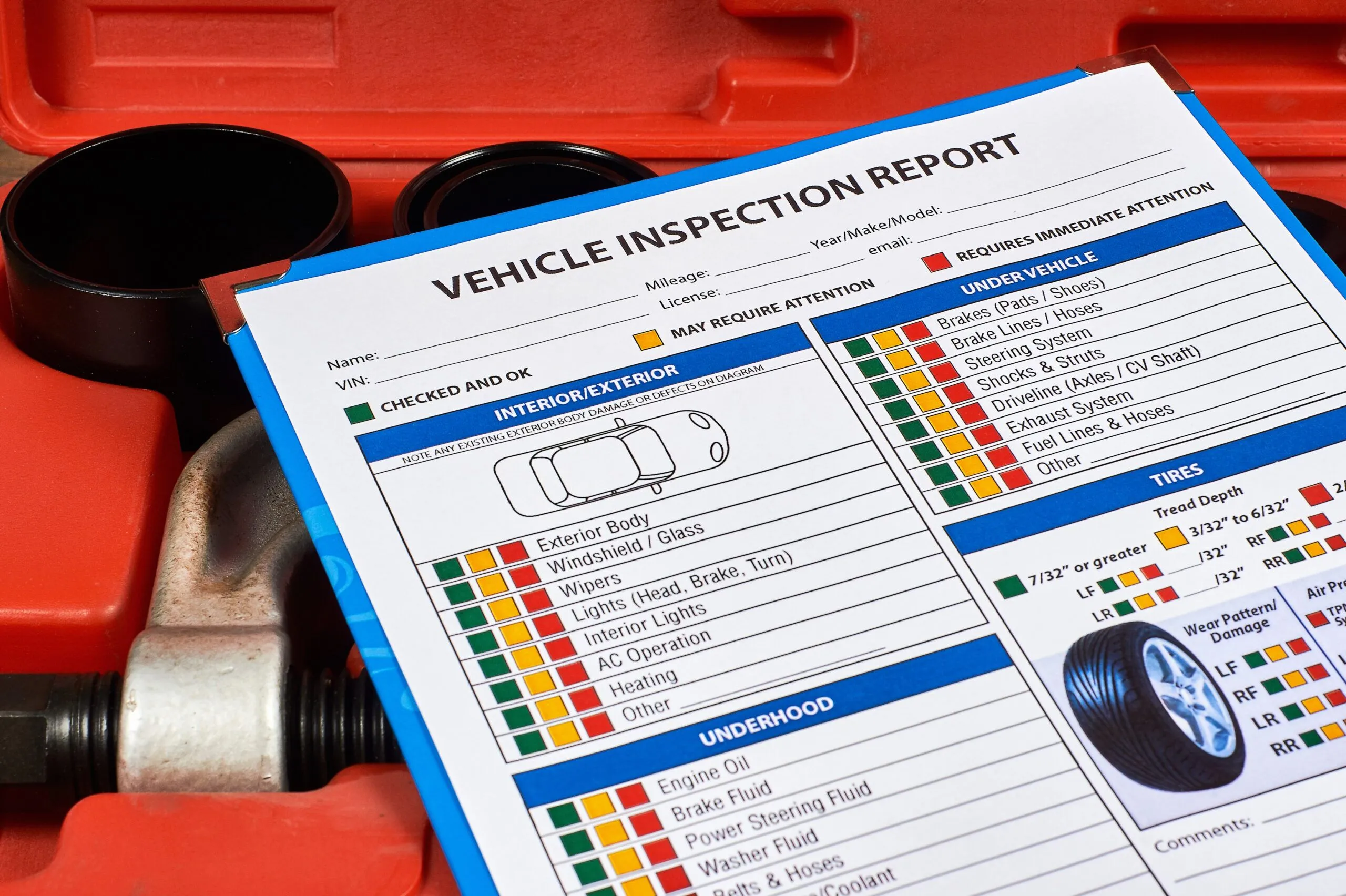
The cheap fixes can look exactly like the expensive ones from a code reader's perspective. A real shop with manufacturer-specific scan tools, freeze-frame data, and decades of pattern recognition rules out the cheap causes before recommending the expensive one.
What to do in the next 24 hours
- 01If the light is flashing: stop driving and call a shop or tow.
- 02If the light is solid and the car drives normally: tighten your gas cap (it's been the cause for hundreds of customers over the years). Wait for two or three drive cycles to see if the light clears on its own.
- 03If the light stays on after a few days: schedule a real diagnostic appointment. Don't wait six months hoping it goes away. Codes can compound.
What we do at The Star Auto Service
Diagnostics here is a real process, not a code-and-guess. We pull the codes, capture freeze-frame data showing engine state at the moment the code triggered, log live sensor data on a road test, and rule out cheap causes before recommending expensive ones. The diagnostic fee is credited toward the repair if you authorize the work, so when we find it, you only pay once.